



Zeigler Chrysler Dodge Jeep Ram of Plainwell

Blog / Zeigler Chrysler Dodge Jeep Ram of Plainwell Service

How Often Does Your RAM Need New Brake Pads?

How Often Does Your RAM Need New Brake Pads?

Your RAM needs regular maintenance so it can ride smoothly. Problems with any components can be inconvenient and dangerous, especially when your brakes are involved. This is how often you need new brake pads from your RAM dealership and signs indicating they need to be replaced.

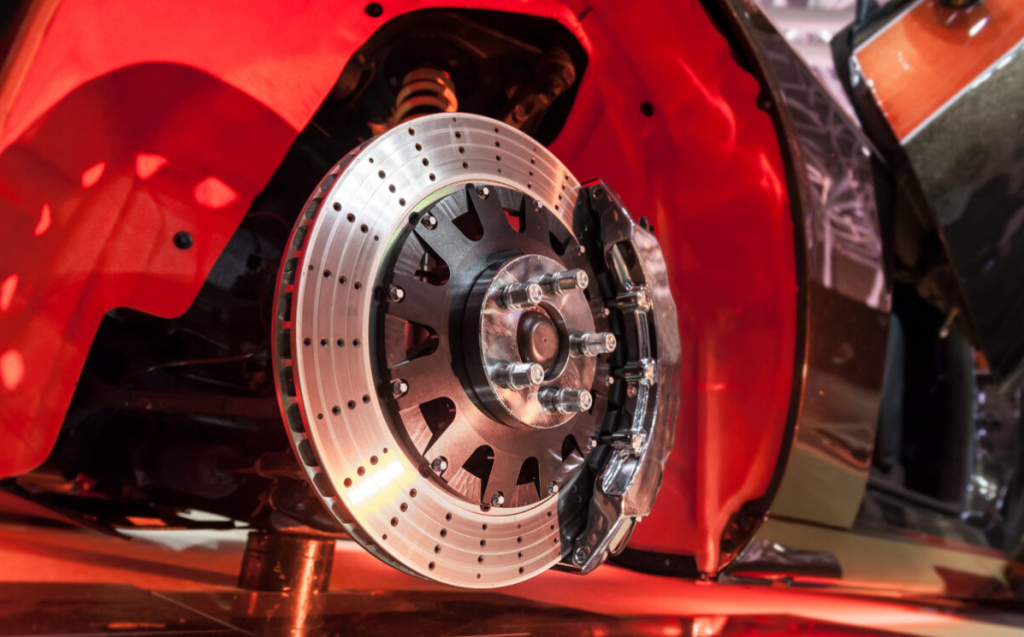
Like many other parts of your RAM, the brake pads will wear out over time. Changing them should be part of your regular vehicle maintenance. On average, you should replace your brake pads every 20,000 to 50,000 miles. A mechanic should inspect them at least once annually to see if they're worn and if you need new ones.

Signs of Worn Brake Pads

You can tell your brake pads are worn and need to be replaced by looking for certain signs. These are some key symptoms to look out for while driving your RAM.

Squeaking Noises

Squeaking noises may come from your brakes when the pads are worn from wear and tear. If you notice this sound, it indicates that you need service. Changing the pads as soon as possible can prevent potential problems.

Grinding Sound

A grinding sound means there's an urgent issue and your brake pads must be replaced immediately. If you continue driving without getting new parts, you can damage your vehicle and be on the hook for costly repairs.

Vibration Sensation

If you detect a vibration sensation while braking, your RAM needs replacement brake pads. This sign indicates that your braking system is no longer working as intended. As the brakes malfunction, your vehicle will feel shaky while driving.

Taking Longer to Stop

One of the biggest indicators that you need to upgrade your brake pads is that it takes your RAM longer to stop. This problem puts you, your passengers, others on the road, and pedestrians at risk of an accident. Don't take any chances if your vehicle doesn't smoothly stop. A mechanic can replace your brake pads so you can ride safely.

Thinner Brake Pads

You can also see when your brake pads need to be replaced. They shouldn't be any less than one-quarter of an inch or around 7 millimeters thick. If they're worn out, they'll be thinner than that. You may also notice a buildup of brake dust, indicating that you need replacement brake pads.

Indicator Lights Appearing

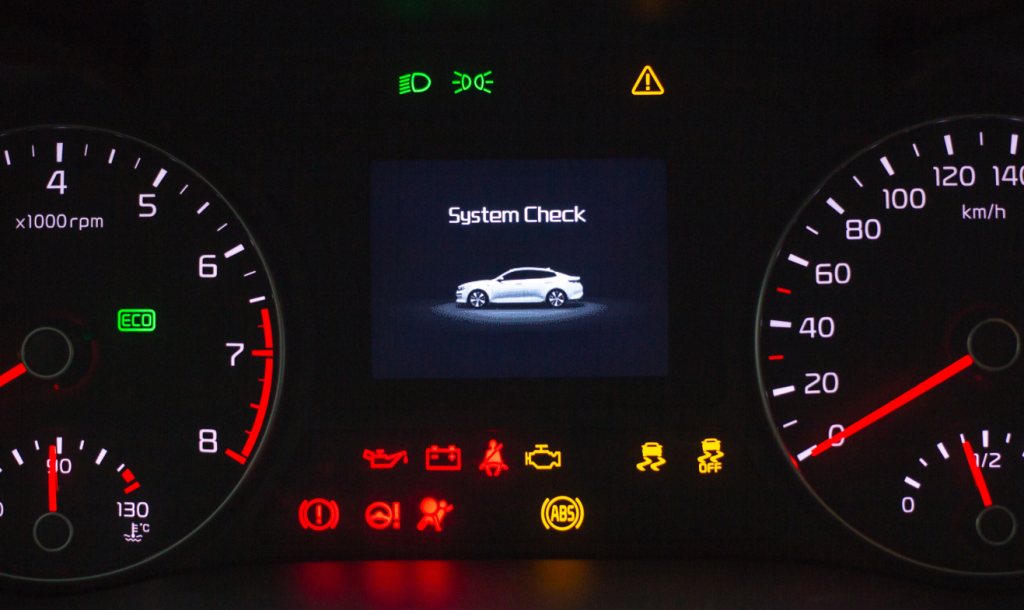
You may need replacement brake pads if your indicator lights appear. Keep an eye on your dashboard if you haven't noticed other signs of worn brake pads.

If you have your sights set on a new RAM, don't hesitate. Contact us at Zeigler Chrysler Dodge Jeep RAM of Plainfield in Plainfield, MI so we can answer all your questions.
Posted in:

Related Posts

3 Signs Your Jeep Needs Maintenance

All vehicle components gradually wear out over time due to age and normal wear and tear. Worn parts will become more damaged if not replaced, which can cause additional problems for your Jeep. Regular maintenance prevents these issues, as parts are replaced before they fail, saving you money, time, and stress. As your Jeep dealership, we want you to know a few signs you need to visit us for Jeep maintenance. more Hard Brake Pedal The braking system uses highly pressurized brake fluid to bring your Jeep to a stop. When you push down on the brake pedal, you expect to feel resistance from the pressurized fluid. If the pedal resistance is so extreme that the pedal barely moves, your brake pedal booster has been damaged. The booster is positioned behind the pedal and magnifies the force you exert on the pedal by 10X, making braking easier and reducing the energy you need to exert to stop your Jeep. It uses a vacuum system to generate this additional force, and over time and usage, the vacuum can fail and leak. We'll examine the booster and repair or replace it to fix this problem. Clogged Radiator The radiator acts as a large heat exchange system to regulate engine temperature. Heat produced by the engine is absorbed by fast-flowing coolant pumped through the engine. The coolant absorbs this heat and transports it to the radiator, where it enters rows of thin aluminum tubes. Airflow over the tubes removes the heat from the coolant. Once cooled, the coolant will move through the engine again. Coolant also absorbs rust particles, minute metal chunks, air, and other debris. When the coolant flows out of the radiator, the debris is left behind. In time, the debris will build up and block the radiator tubes. If the radiator is blocked, it can't remove engine heat, and the engine temperature will rise rapidly and potentially overheat. Our technicians will flush the radiator to remove the blockage, and the engine temperature will return to normal. Tire Balancing All four tires are correctly balanced when your Jeep is new, but as time passes, this can change. Unbalanced tires suffer increased wear and tear from surface friction and suffer additional tread damage on sections where the tread hits the surface harder than it should. In addition, poor tire balance can damage the axles, shocks, and struts. We attach unbalanced tires to our computerized balancing machine, which spins the tire at a speed to mimic driving. The machine then displays an image of the tire showing the unbalanced sections. Our technicians add weights to these sections to restore the correct tire balance. Contact us today at Zeigler CDJR of Plainwell in Plainwell, MI, to schedule your next maintenance.

Navigating Your CDJR Vehicle's Dashboard Warning Lights: What Do They Mean?

Navigating Your CDJR Vehicle's Dashboard Warning Lights: What Do They Mean?

Lights appearing on your instrument cluster may be a nuisance, but they should never be ignored. From tire pressure issues and low oil levels to overheating and engine malfunction, these icons indicate that something on your vehicle needs attention. We discuss the most common symbols to help you decipher what your CDJR dashboard warning lights are trying to tell you. more Oil Pressure Problem Like many of your dashboard warning lights, the oil-can icon appears each time you start your engine so you know it's working. However, if it remains illuminated or comes on while you're driving, a problem with the oil pressure has been detected. Stop the car as soon as it's safe to do so, wait for the engine to cool, and check the oil level. If the light remains on after topping up the oil, head to your local CDJR dealer for an oil change. Tire Pressure Issue Your vehicle has a tire pressure measuring system that monitors the pressure in each of the four tires. When the pressure is low or decreases in one or more of your tires, this system causes an exclamation mark in a bowl to appear on your information display. Check your tires as soon as possible, inflating any under the required pressure as indicated in your owner's manual. The light should disappear once all tires are at the correct pressure. Battery Warning A rectangular box with plus (+) and minus (-) symbols inside warns of a problem with the 12-volt battery and your vehicle's electrical system. Immediately turn off all electrical equipment and head to a CDJR service center so the professionals can diagnose and fix the issue. Malfunction Indicator Warning An icon in the shape of an old-fashioned engine indicates a problem with the engine or automatic transmission control system. This could mean anything from a loose gas cap or poor-quality fuel to major catalytic converter damage. Whatever the reason for the light coming on, get the vehicle to an authorized CDJR dealer ASAP. High Engine Temperature If you're driving and a thermometer gauge rising out of two wavy lines appears, your vehicle is overheating and struggling to cool itself. Safely pull off the road, switch off the engine, and wait for things to cool down. Airbag Issue A person reclining, wearing a safety belt, and holding a giant ball represents the airbag warning system and will illuminate when a fault is detected. This lamp will remain on until the system has been inspected by an authorized dealer. Your CDJR vehicle has a way of telling you something is wrong, which is why dashboard lights should never be ignored. If you're baffled by a symbol on your dash, contact us or visit Zeigler Chrysler Dodge Jeep Ram of Plainwell in Plainwell, MI, and let our experienced technicians identify the problem and get you back on the road as quickly as possible.

5 Reasons to Get Differential Service at Your Dealership

Differentials are the gears that help your wheels turn at different speeds while still giving you complete control over your vehicle when navigating turns. Below are the top reasons to show you just how important regular differential service from your CDJR dealership is to ensure a smooth, comfortable, and safe ride. more 1. Proper Lubrication The differential gears must be well-lubricated to stop them from grinding. As you drive, the thick oil used for lubrication gets dirty and breaks down. If there's not enough oil for lubrication or the oil is old and contaminated, it will cause friction, overheating, and lead to wear. Eventually, the worn gears can seize up. This will lock the wheels and could cause a collision. 2. Comfortable Rides Well-maintained and lubricated differentials mean fewer vibrations when you drive, especially when you step on the gas. You won't feel every bump or shake because your differential does its job. Regular differential maintenance will ensure a more comfortable drive. 3. Improves Handling Your car's handling isn't just about the steering but also the differential. When the differential is in poor condition, it will make it much harder to handle your vehicle properly, especially when going through turns. We guarantee that regular differential checks will make all the difference. When your differential is working correctly, you will have complete control over your vehicle, and you will take tight turns with confidence. 4. Better Traction Properly maintained differentials make a big difference in how well your car behaves in unfavorable conditions when driving on roads covered in ice and snow. It has a lot to do with traction and how well your tires grip the road surface. When the differentials are in good condition, it will give you the traction you need to have more control and make it safer behind the wheel when driving on wet roads during bad weather. 5. Ensures Your Safe One of the biggest reasons why regular differential checks are so important is that they keep you safe. By visiting us regularly for differential maintenance, you will ensure the differential gears are lubricated to stop them from seizing and locking the wheels, which will cause an extremely dangerous situation. Maintaining your differential improves tire traction. The more grip your tires have, the less likely your car will skid and cause you to lose control, especially when the road conditions are poor. Make every drive you take enjoyable with regular differential checkups. Don't risk compromising your safety while out on the road. Book a service at Zeigler Chrysler Dodge Jeep Ram of Plainwell, MI now. Our certified and experienced technicians know their stuff and will ensure you get top-quality service.